| |
|
- LFTZ
- LFTZB
- ZFTZ
- MFTZ
- Investment
- Resources
| |

Libyan Free Trade Zones
Libya has in the last decade experienced rapid expansion in the construction,
oil & gas, telecommunications, health and agribusiness sectors, and leading
Libyan analysts project sustained growth well into the future. To bring the
country out of its economic isolation and further bolster the Libyan economy,
a number of laws have been passed regarding the creation of free trade zones
(FTZ). The Free Trade Act of 1999 created a legal framework for establishing
offshore free trade zones in Libya. The Libyan General People's Committee's
Law (168) of year 2006 establishes the Libyan Free Zones Board, which will
supervise and run all the intended Libyan free trade zones. Law (215) of 2006,
declares the foundation of Zwara-Abu-Kemmash Free Trade Zone; and Law (32)
of year 2006 declares the foundation of Misrata Free Trade Zone. After a long
period of internal development Libya has began opening its gates
to the outside world by initiating a number of deals with various countries.
Foreign investment and tourism infrastructure development are being given
national priority by the Libyan government. Libya sought
US and other international partners to assist in developing tourism infrastructure
to sustain an estimated 1,000,000 visitors a year by 2015, compared to the
current 130,000. According to Libyan officials at the Tourism Development Authority
(TDA), which serves as a one-stop shop for investors in the sector, the plan
is to create complete tourist cities and free trade zones, and that Libya is
looking for high-income
investors and tourists with the aim to develop high-end tourism, as opposed
to mass tourism. Archaeological treasures, the Sahara
desert, the oases, and the largest collection of prehistoric rock art galleries
make Libya the ideal sun, sea and sand destination of the future. Unfortunately
such dream was shattered to smithereens when the UN ordered its bombing campaign
that destroyed Libya's entire infrastructure and sent the country back to square
one.
Libya's Membership in Other Free Trade Zones
The African Free Trade Zone
Heads of 19 states of member countries
of the Common Market for Eastern and Southern Africa (COMESA) have agreed
in Nairobi to join forces and become a full-fledged custom union
by December 2008. These states are: Burundi, Comoros, Congo, Djibouti, Egypt,
Eritrea, Ethiopia, Kenya, Libya, Madagascar, Malawi, Mauritius, Rwanda, Seychelles,
Sudan, Swaziland, Uganda, Zambia and Zimbabwe. The delegates lamented the ongoing
humanitarian crises in Sudan's Darfur, Ethiopia, Eritrea and Somalia. But despite
controversy and gross negligence and human rights abuses in
Zimbabwe, Robert Mugabe was voted as deputy chairman during the summit. So
if African corruption is to blame for the current state of Africa, as we have
been told, the future of a successful union at this level remains to be seen.
However, the delegates have also discussed efforts to set up a peace conference
for war-torn Somalia, but regardless of whether this is enough to eliminate
the major obstacles for an economic expansion or not, what happens after the
discussion and after the conference remains to be conferred.
The Arab Free Trade Zone
Libya is part of the Greater Arab Free Trade Area (GAFTA), also known as
PAFTA (Pan Arab Free Trade Agreement). The Arab Free Trade Zone, which came
into effect on January 1, 2005, currently comprises 17 member states: Libya,
Lebanon, Tunisia, Morocco, Egypt, Sudan, Yemen, Kuwait, UAE, Saudi Arabia,
Oman, Bahrain, Qatar, Iraq, Jordan, Palestine and Syria. The
discussion to form an Arab free trade zone began in 2001, in Morocco. The Agadir
declaration on the setting up of the zone was signed in Agadir, under the chairmanship
of King Mohammed VI, by the foreign ministers of Morocco, Jordan, Tunisia and
Egypt, in the presence of the foreign ministers of Algeria, Libya and Mauritania
and representatives of Syria, Lebanon and Palestine. The official spokesman
for the royal palace, Hassan Aourid, said that the Arab Maghreb Union (UMA),
which comprises Algeria, Libya, Mauritania, Morocco and Tunisia, and the Gulf
Cooperation Council (GCC), comprising Bahrain, Kuwait, Oman, Qatar, Saudi Arabia
and the United Arab Emirates, have started dialogue with the European Union
and stressed the need to face up the challenges and requirements of globalisation.
The Mediterranean Free Trade Zone
The European Union Trade Commissioner, Mr. Peter Mandelson, and trade ministers
from Southern Mediterranean countries have agreed to develop a working party,
with the aim of creating a free trade zone which will be in operation by 2010.
The agreement was forged at the 6th Euro-Med Trade Ministerial Conference,
held in Lisbon. The Euro-Med Partnership (EMP), also known as the Barcelona
Process, is a joint venture between the EU and 12 Mediterranean states. The
Barcelona Declaration (of November 27, 1995) set goals reducing political instability
and increasing commercial integration. In 1999, 27 European partners agreed
to conditionally admit Libya. The new free trade zone will be established by
two negotiation procedures: a “bilateral” agreement between EU
members and every country in the Mediterranean area, and a “multilateral” agreement.
The countries that have signed the agreement are: Syria, Lebanon, Tunisia,
Morocco, Israel, the Palestinian National Authority, Turkey, Algeria, Egypt,
Jordan and Libya (which will participate in the agreement as an observer).
|
|
| |
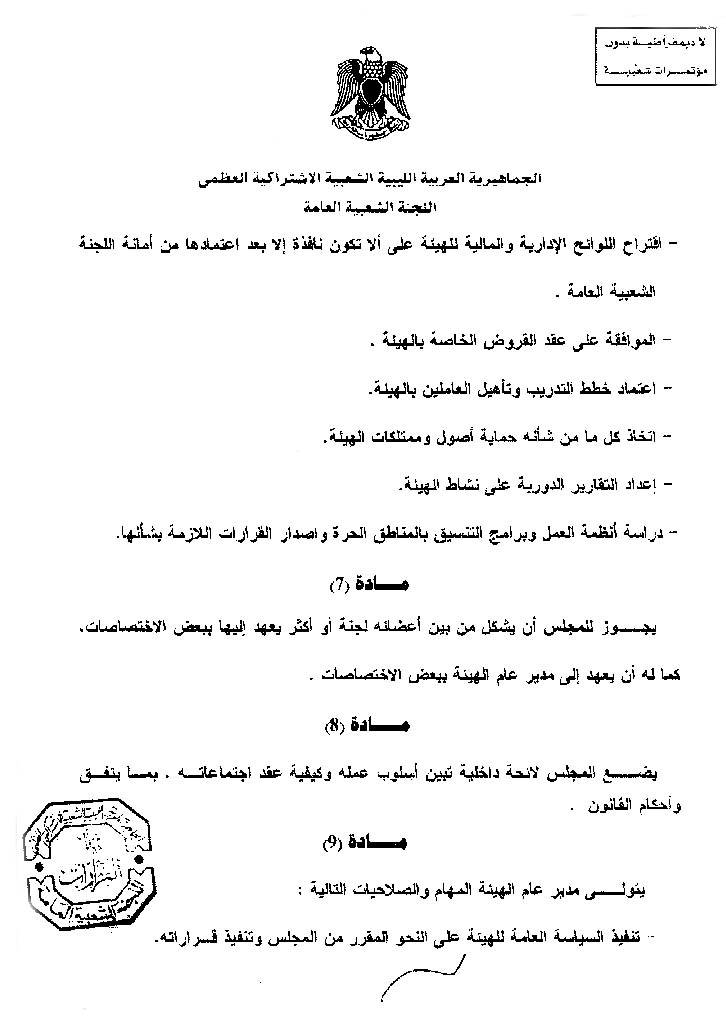
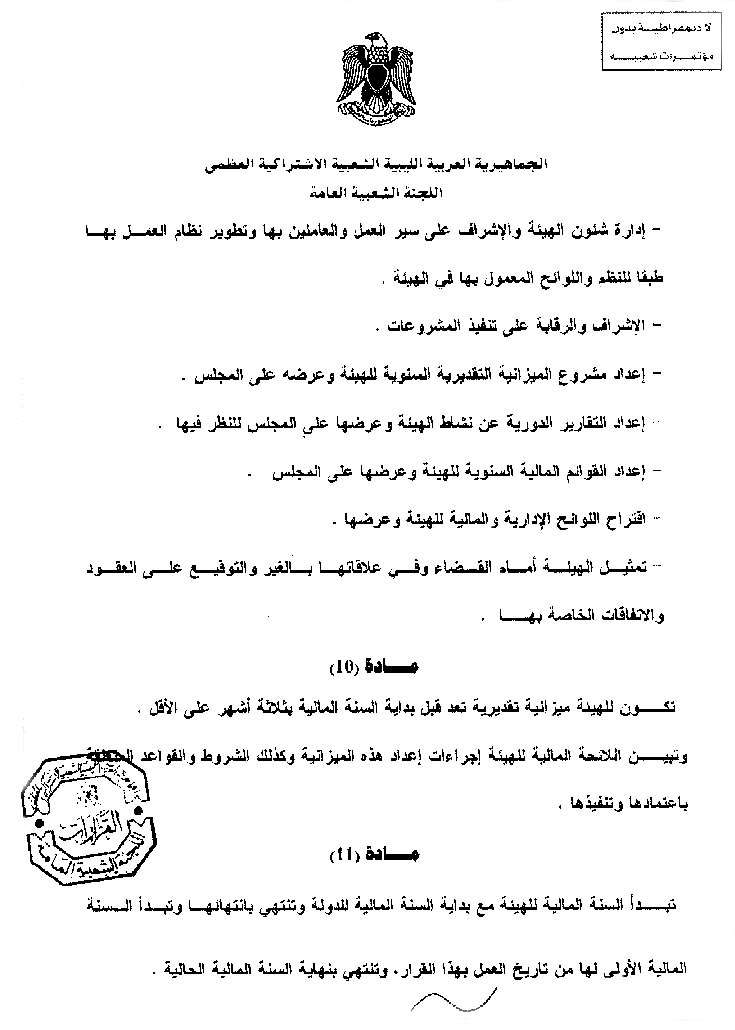
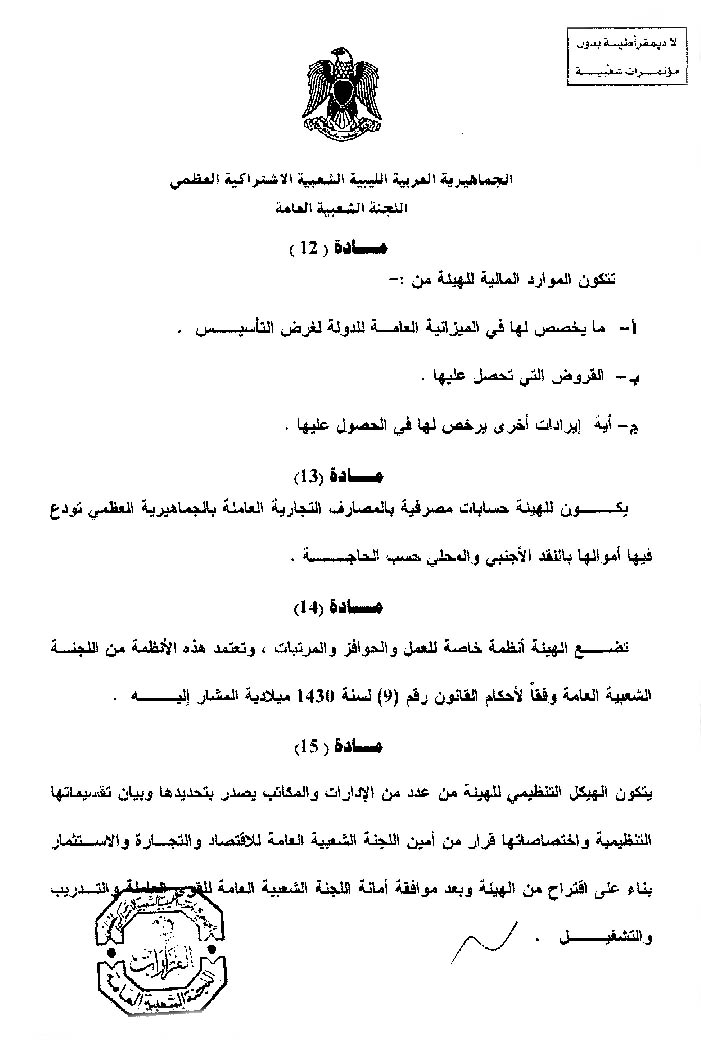
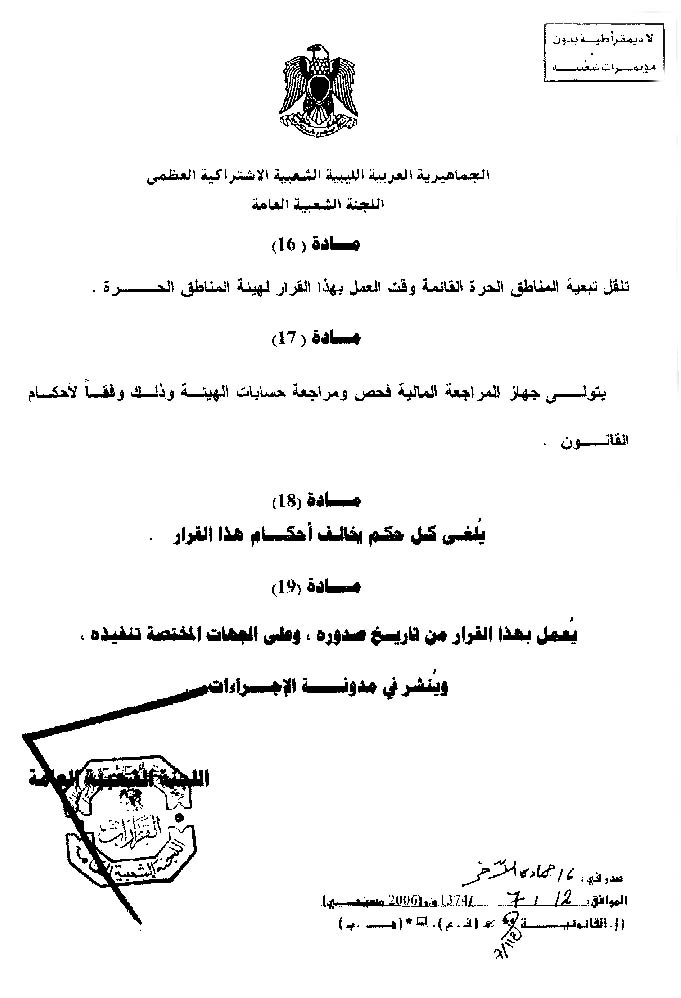
Libyan Free Trade Zone Board
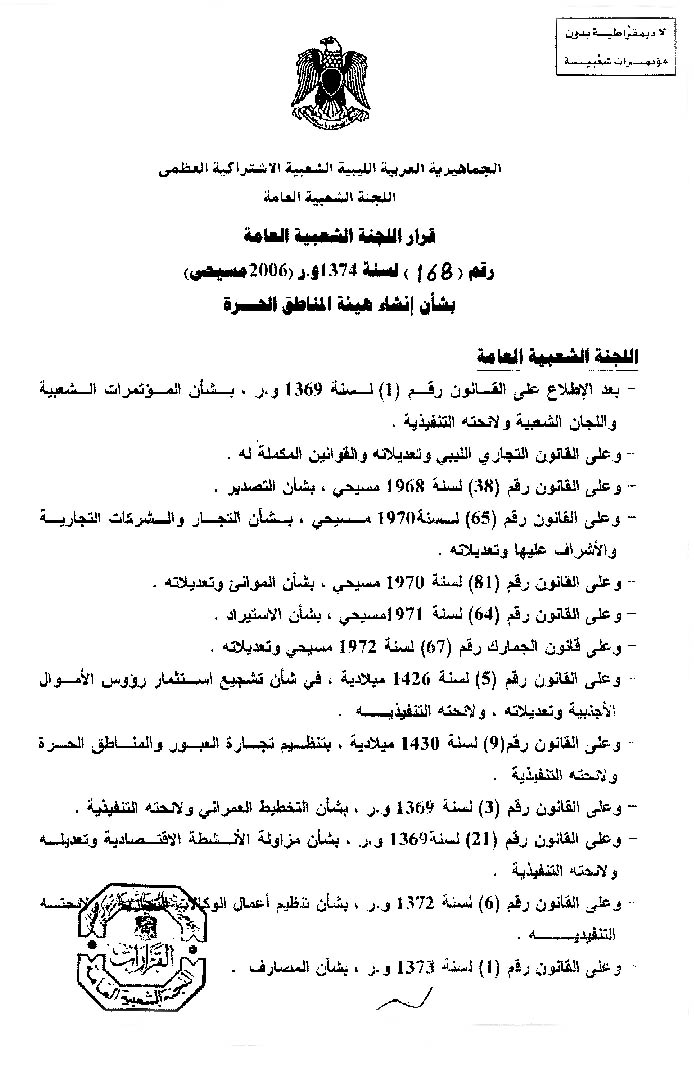
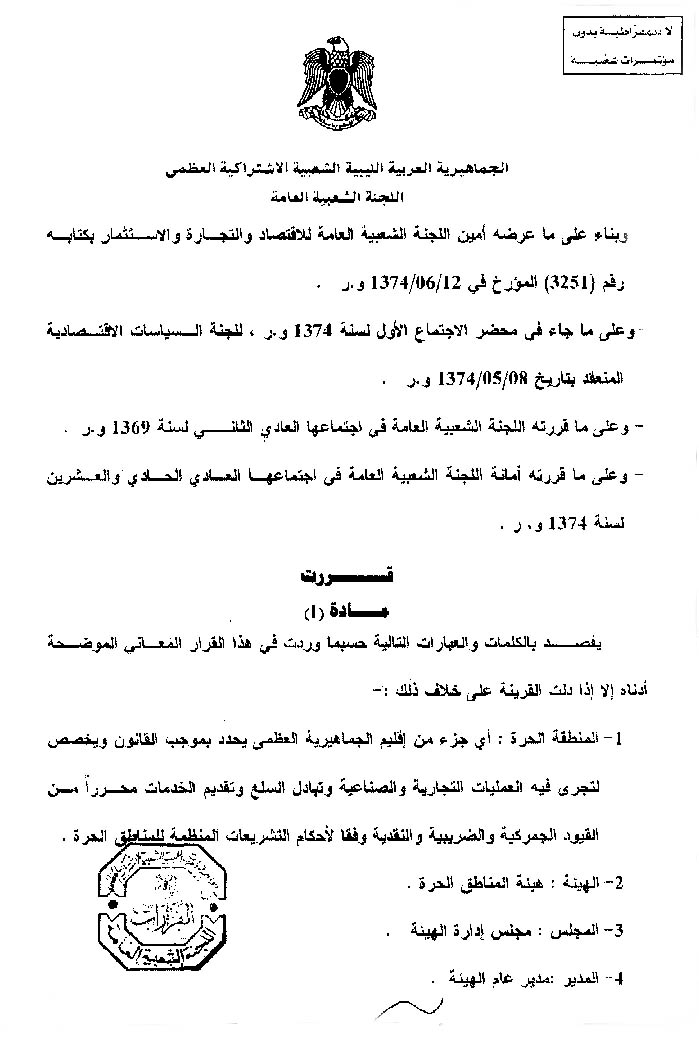
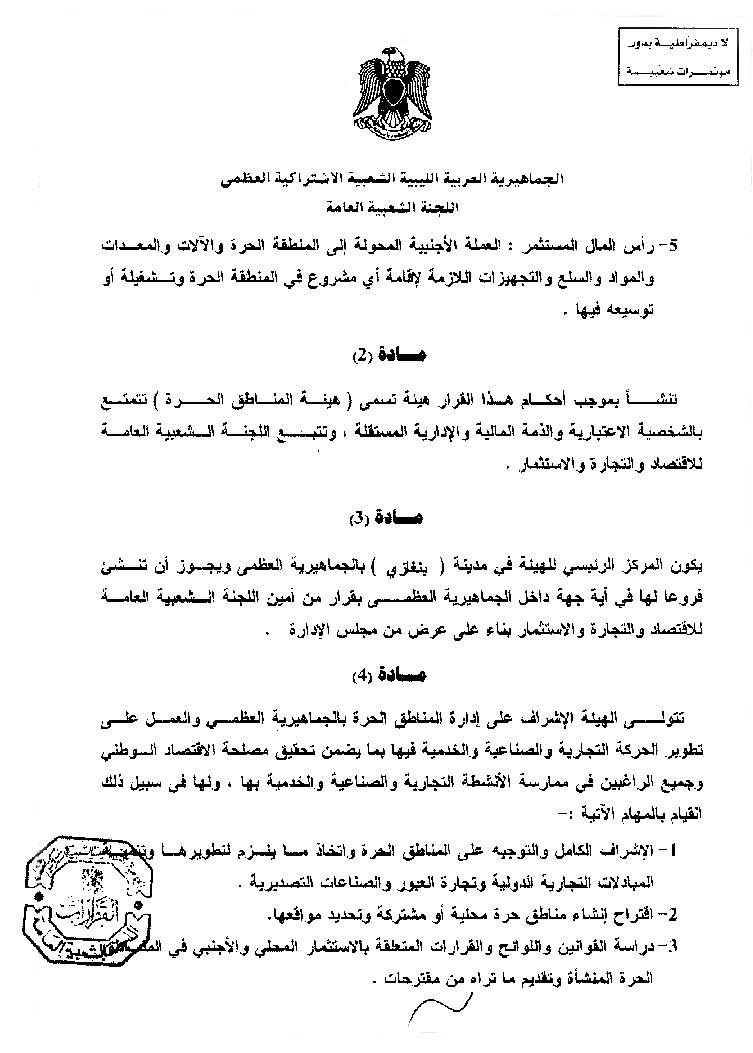
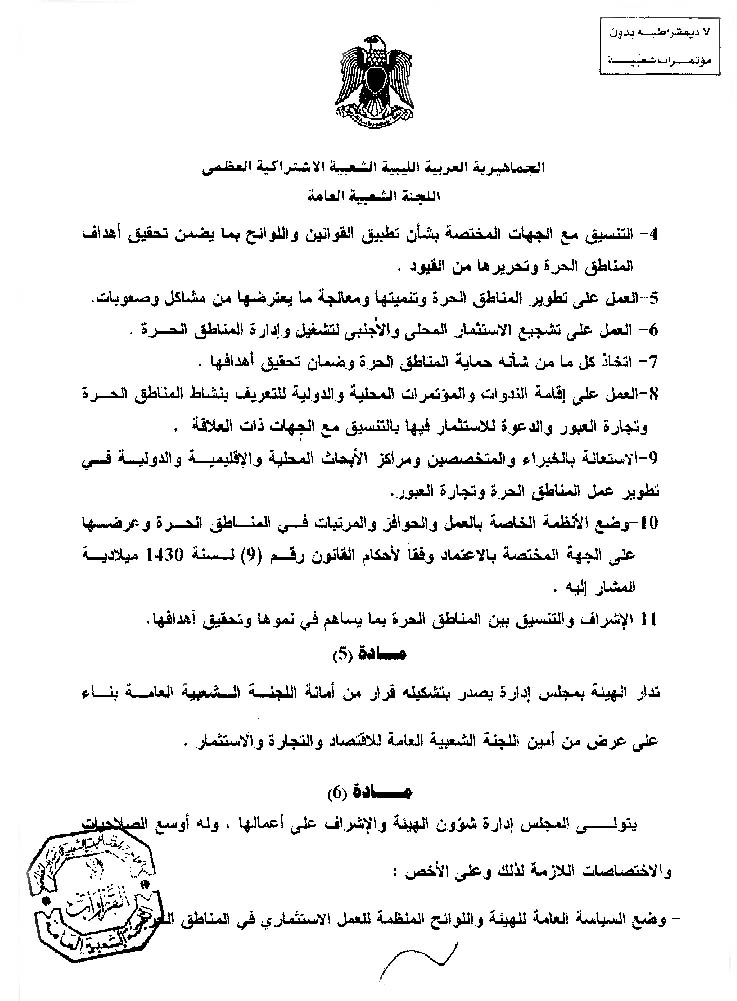
Law (168) of 2006 declares the foundation of the Libyan free
trade zones board. This board is in charge of all the Libyan free trade zones.
What follows is a summary translation of some of the main articles of the law.
The other articles are very similar to the other translated articles of Law
215.
Article (1): defines the meaning of the terms: 'free zone', 'free zones board', 'committee
of the free zones', 'the manager of the committee of the free zones', and 'the
invested capital' as follows: Free Zone (any region of Libya defined by the
law as a special commercial, industrial and trade area free from any custom
duties and taxes as set by the regulations governing the free zones); The Board
(the board of the free zones); The Committee (the committee of the free zones
board); The Manager [or the Chairman] (the general manager of the committee
of the free zones board); The Invested Capital (the foreign currency transferred
to and/or invested in the free zone, the equipment, the products and the necessary
services and apparatuses needed to establish any project in the free zone).
Article (2): defines the creation of a board by the name of 'The
Free Zones Board', with its own independent laws and regulations and finance,
as part of the the General People's Committee for Economics, Commerce and Investment.
Article (3): the head office (headquarters) of the board will be located
in Benghazi, and the board can open other branches in any Libyan region by
a decision from the General People's Committee for Economics, Commerce and
Investment according to a proposal from the board's committee.
Article (4): the board will supervise the committee of the free zones and
work towards developing all the commercial, industrial and service activities
in the zone to the benefit of the national economy and those who desire to
take part in these activities.
The following is a copy of the actual law:
Arabic Copies of the Law
To view large images of Law 168 of year 2006,
please click on the following thumbnails:
   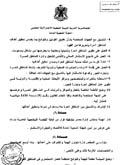
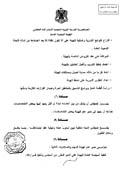 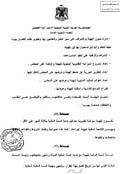 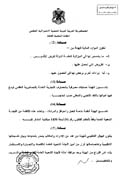 
|
|
| |
Zuwarah Free Trade Zone
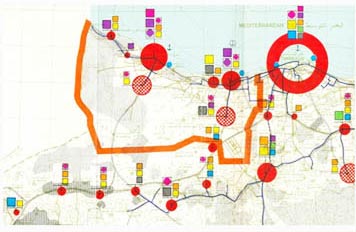
To bring the country
out of its economic isolation and strengthen the Libyan economy, a number of
laws have been passed regarding the creation of free trade zones.
The Free Trade Act of 1999 created a legal framework for establishing offshore
free trade zones in Libya. The Libyan General People's Committee's Law (168)
of year 2006 establishes the Libyan Free Zones Board, which will supervise
and run all the intended Libyan free trade zones; Law (215) of 2006,
declares the foundation of Zwara-Abu-Kemmash Free Trade Zone; and Law (32)
of year 2006 declares the foundation of Meṣraṭa Free Trade Zone.
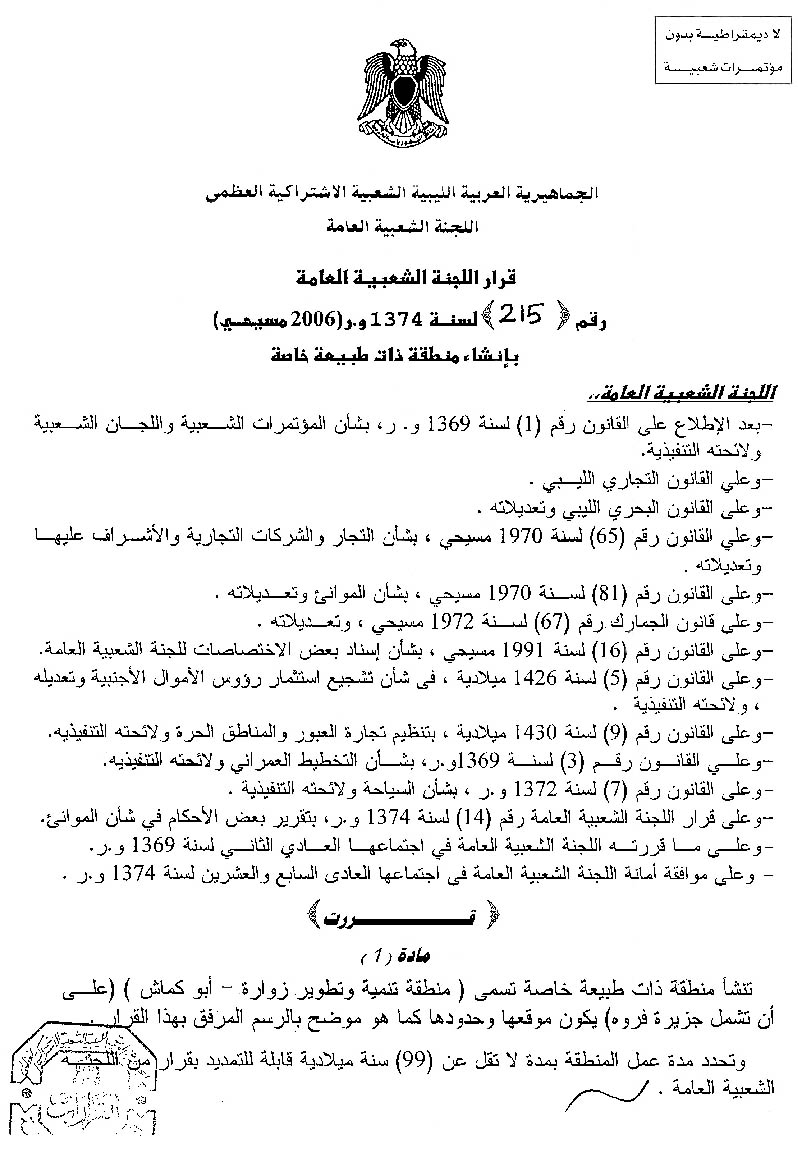
Law 215 of 2006
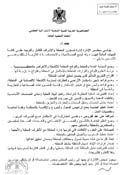
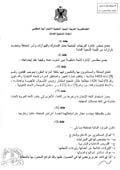
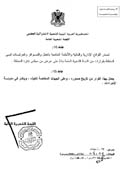
Law (215) of 2006, passed by the Libyan General People's Committee,
details the creation of Zwara-Ahu-Kemmash Free Trade Zone. A new government
department, known as The Zwara-Abu-Kemmash Development Zone, was formed to
develop the region as a tourism and investment zone. Al-Saa'di
al-Qaddafi, the chairman of the Zwara-Aby-Kemmash Development Zone and the
son of the Libyan leader Mua'mmar al-Qaddafi, has promised to improve Libya's
economic progress by building the Free Trade Zone in Zwara and bring the country
out of its economic isolation. The area was chosen for the beauty of its beaches
- the best in the whole of Libya - and for its proximity to Tunisia and Europe.
During Tunisia's president Zine al-Abidine's recent visit to Libya, Tunisia
and Libya have agreed to set up a free trade zone between the two countries
including a tourist village on the border. The work has already begun on a
60 by 30 kilometre stretch of land, along the Mediterranean coast between Zwara
and Farwa (an offshore island near Abu-Kemmash, close to the Tunisian border). Zwara's
Free Trade Zone is being built by Emaar Properties, a Dubai's construction
giant that posted a record annual net profit of US$ 1.735 billion. The company,
in a joint venture with the Zwara-Abu-Kemmash Development Zone, is finalising
its master-plan proposals submitted by three US firms and a Singaporean company.
According to Emaar Properties, the joint venture will be a landmark development
for the country as well as for Emaar, and that the various components of the
project will be growth engines for the Libyan economy as they offer investment
opportunities in several high-growth sectors. The zone is a massive project
which will include various residential, educational, leisure and entertainment
components and will have its own
independent laws, regulations, courts, ports and airports. The Department is
also planning to introduce new laws designed to stimulate investment in the
free zone, like tax exemptions and concessions, offshore banking and the introduction
of a liberal social regime allowing a variety of faiths.
Libyan Law
(215) of 2006 Establishing The Zwara Free Trade Zone
The Decision of the General People's Committee
Number (215) Year 1374 (2006 AD)
After considering Law (1) of year 1369 W.R., and the Libyan commercial
law, and the Libyan marine law, and Law (65) of year 1970, and Law (81) of
year 1970, and customs Law (67) of year 1972, and Law (16) of year 1991,
and Law (5) of year 1426 M., and Law (9) of year 1430 M., and Law (3) of
year 1369 W.R., and Law (7) of year 1372 W.R., and the General Committee's
Decree (14) of year 1374 W.R., and what has been decreed by the General People's
Committee in its second meeting of year 1374 W.R., and after the approval
of the General People's Committee during its 27th meeting of year 1374, it
was decided:
Article (1): Establishing a special area by the name of (Zwara-Abu-Kemmash
Development Zone) (which must include the Island of Farwa), with its location
and borders as illustrated in the drawing accompanying this decree, and with
a specified working period of no less than (99) years, renewable by a decision
from the General People's Committee.
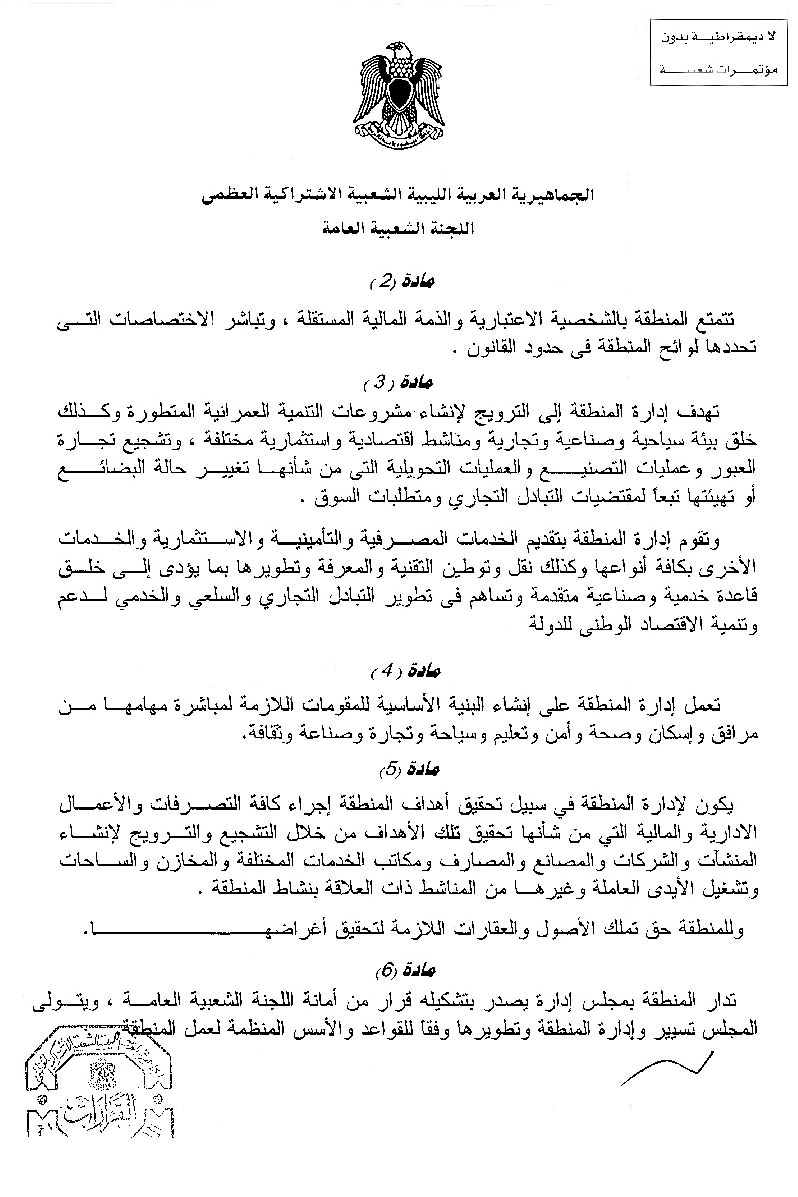
Article (2): The zone enjoys its own identity and financial independence,
and can legislate within the boundaries of Libyan law.
Article (3): The goals of the administrative committee of the zone include
advertising and marketing advanced architectural and developmental projects;
the creation of a tourist and industrial environment; various investment
and commercial activities; and encouraging transit trade and goods exchange
operations according to the needs of the market. The administration of the
zone will also work towards providing banking, insurance and investment services
as well as other services, and towards employing and developing the technology
and the knowledge needed to establish an advanced foundation which will contribute
towards developing commercial and trade services to support and develop the
national economy of the country.
Article (4): The Development Zone will work to establish the necessary
services and structures needed to initiate its operations, such as general
services, housing, health, security, safety, education, tourism, commerce,
industry and culture.
Article (5): To achieve its objectives, the Development Zone is authorised
to issue all the necessary decisions, manage its own administration
and finance, encourage and advertise the creation of the foundations, companies,
banks, factories, services and provide employment and other activities
relating to the zone. The zone has the right of ownership of the capital
and property needed to to achieve its purposes.
Article (6): The Zone will be run by an administration formed by a decision
from The General People's Committee, and this administration will then run
and develop the zone according to the principles laid for the free zone.
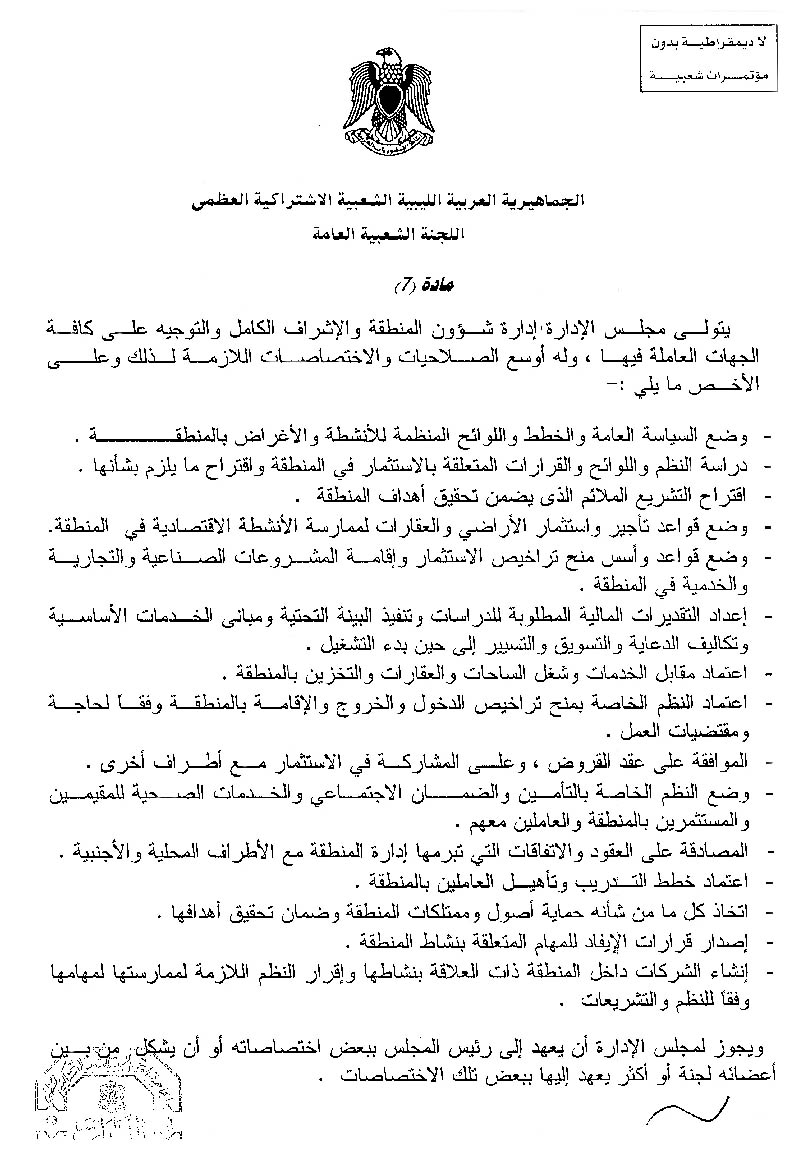
Article (7): The administrative committee of the zone will have complete
authority and responsibility to run the entire affairs of the zone, and supervise
and guide all the other working institutions within the zone, especially:
- laying the general strategy, plans and regulations to regulate the
activities and the goals of the zone;
- studying the laws and legislation regarding investment and suggesting
improvements;
- laying rules for renting land and property, for granting licenses
and permits for investment and establishing services and industrial and
commercial projects;
- preparing financial estimates needed to study and implement the underlying
environment, building the essential services, the cost of advertising and
marketing until work commences;
- implementing procedures to issue entry, exit and residence permits
according to the needs of the situation;
- agreeing to granting mortgages and investment partnership with other
parties;
- implementing special procedures relating to insurance, social security,
and health amenities to the zone's residents, investors and workers;
- approving contracts and agreements struck with local and foreign
bodies;
- implementing training programs for the zone's workers; undertaking
all that is needed to protect the zone's capital and property and guarantee the
fulfillment of its goals;
- and establishing companies within the zone relating to its activities
and decreeing the necessary regulations and procedure for their activities
according to the law.
The administrative committee is authorised to proxy the head of the
committee with some of these responsibilities, or to form, from within its
current members, a new committee or more than one committee to see to some
of these responsibilities.
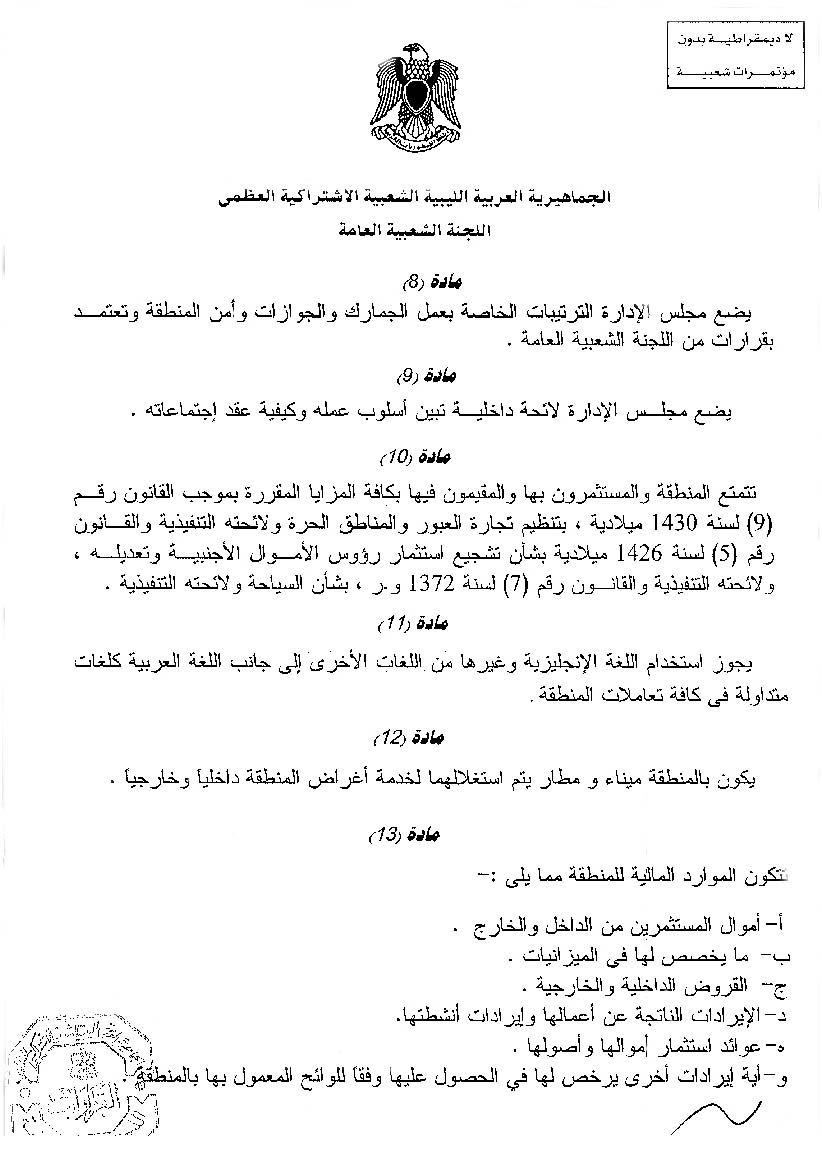
Article (8): The administrative committee of the zone will implement
the necessary preparations for its own custom, security and immigration laws,
decreed by the General People's Committee.
Article (9): The administrative committee shall prepare an internal
policy to illustrate its strategy, working procedures and meeting agendas.
Article (10): The zone, its residents and those who invested in the
zone enjoy all the advantages and privileges decreed in Law (9) of year 1430
M. regarding the organisation of transit commerce and free trade zones, and
Law (5) of year 1426 M. regarding the promotion to encourage foreign
investment in Libya, and Law (7) of 1372 W.R. regarding tourism.
Article (11): It is allowed to use English language as well as other
languages, in addition to Arabic, in all the dealings of the free trade zone.
Article (12): The zone will have a seaport and an airport which can
be utilised nationally and internationally.
Article (13): The monetary capital and earnings of the zone will come
from:
- local and foreign investors' money
- the national budgets set aside for the zone
- internal and external mortgages
- income from the zone's operations and activities
- income from investment returns of the zone's capital
- any other incomes resulting from the licensed activities within the
zone.
Article (14): Administrative, financial and organisational protocols
and procedures relating to work, motivation and salaries will be decreed
by the General People's Committee according to proposals submitted by the
administrative committee of the zone.
Article (15): This decree (or decision) is effective from the date of
its issue, and all the concerned bodies should implement it, and be published
in the archive.
The General People's Committee
Issued on 19 Sha'ban
09/06/2006
[End of Document]
[Translated by Temehu.com]
The above translation is based on the following copy of the Libyan GPS's Decree 215
Arabic Copies of the Law
To view large images of Law 215 of year 2006 in Arabic,
please click on the following thumbnails:
Zuwarah Free Trade Zone & Land Confiscation
Confiscation of Berber Land: the head of the
project, Saadi Gaddafi, was reported to have confiscated around 45,000 hectares
of Berber land, stretching 60 kilometres along
the coast (between Zuwarah and the Tunisian border) and 30 kilometres inland
-- way pass Regdalin and al-Jamil.
Berberists from Zuwarah protested
about the true motives behind the project, which they said was designed to
Arabise the area of Zuwarah, and called for the resignation of Saadi and the
appointment of competent experts who would consider the local population into
the workings of the zone and encourage local jobs and investment including
the use of Berber language within the zone.
Legally speaking Article (11) of Law 215/2006 says "It
is allowed to use English language as well as other languages, in addition
to Arabic, in all the dealings of the free trade zone", and therefore
in theory one can use Berber language (under the clause "as well
as other languages").
However, the project had never materialised, and today's NTC had already
declared during the Liberation Day (23 October 2011) that all confiscated land
should be returned to its rightful owners, and urged the Libyan people not
to take matters into their hands and instead wait for the law to implement
justice.
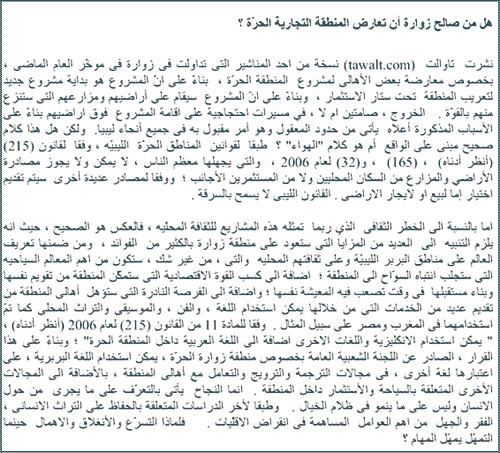
Objections to building ZFTZ in Zuwarah.
The Berbers say the project was instigated by Gaddafi to Arabise Zuwarah; when
in reality it will allow the Berbers an international window through which
they could internationalise their cause.
|
|
| |
Meṣraṭa Free Trade Zone
The name Meṣraṭa is often spelt as Misrata, and sometimes as Misurata,
Mesrata, Mesratha, Musrata, Musratha or Misuratha. Musrata is the name used
by the Libyan Tourism Board, and Misurata is used by the University of Misurata.
The Arabic form used by Libyans, namely مصراتة, is also incorrect because
the the letter 't' should be 'ṭ' (thus the correct form ought to
be: مصراطة).
The
present form of the name, according to some sources, originally comes from
the name of the Berber tribe that settled the area before the town was Arabised
around 200 years ago. The tribe Meṣraṭa was part of the larger Berber
Hawwara confederacy. The original
settlement of Meṣraṭa goes back to the time of the Phoenicians (about 1000
BC) and probably before that. Meṣraṭa's ancient name was Tobakt, which
considering the location of /t/ at the beginning and at the end of the name
one can easily deduce its Berber origin. The association of Tobakt with Roman Thubactis is
doubtful because the town existed long before the Roman invasions.
The Meṣraṭa Free Trade Zone was created by the General People's Committee
as set by Law (495) of year 2000, and was amended by Law (32) of year 2006.
The zone is currently occupying 430 hectares including a portion of the Port
of Meṣraṭa. On January 16th, 2006, Lyamec (The Libyan American Corporation)
has formally received the approval of Meṣraṭa free trade zone to establish
a 24,000 sq. ft. manufacturing and distribution facility in Meṣraṭa.
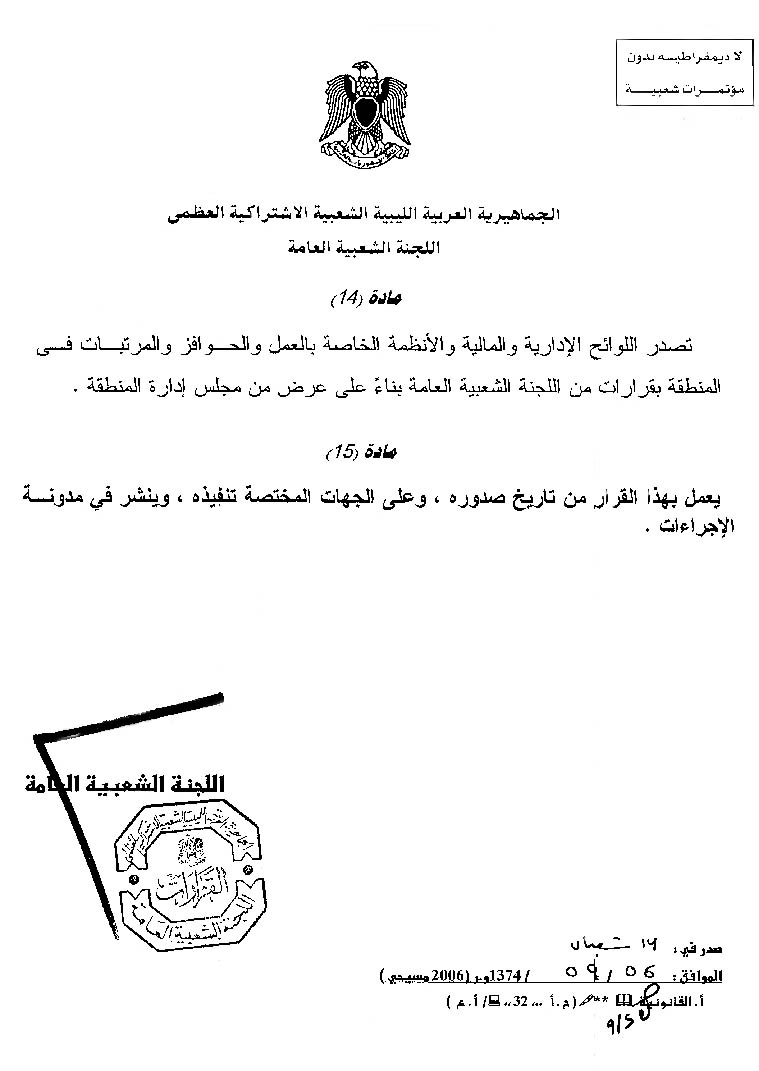
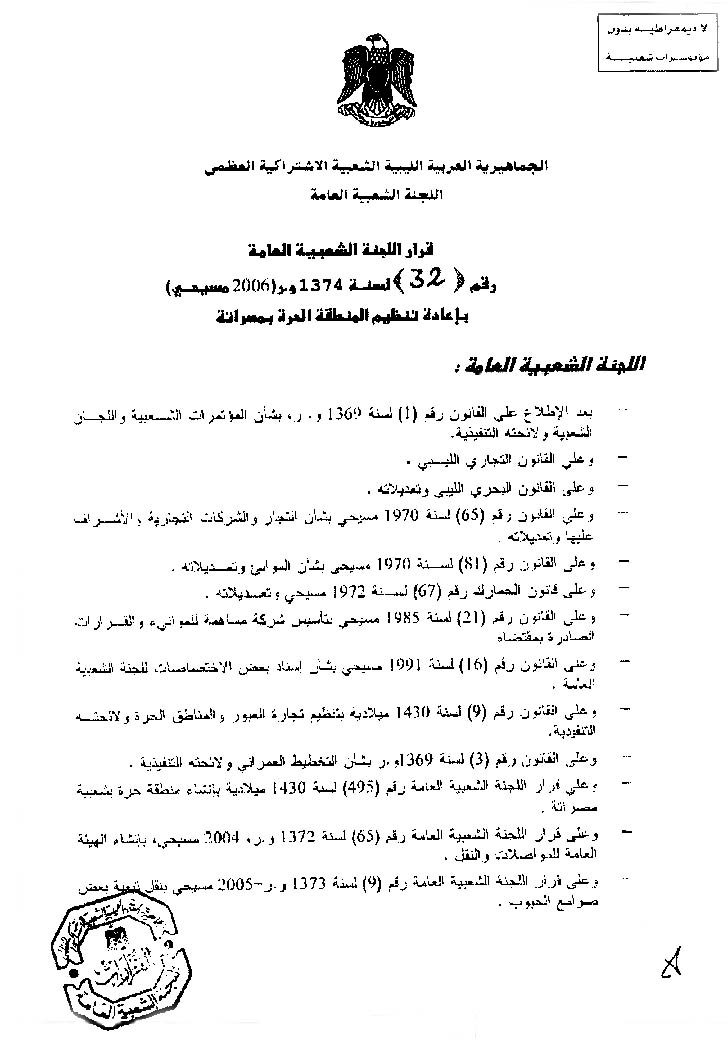
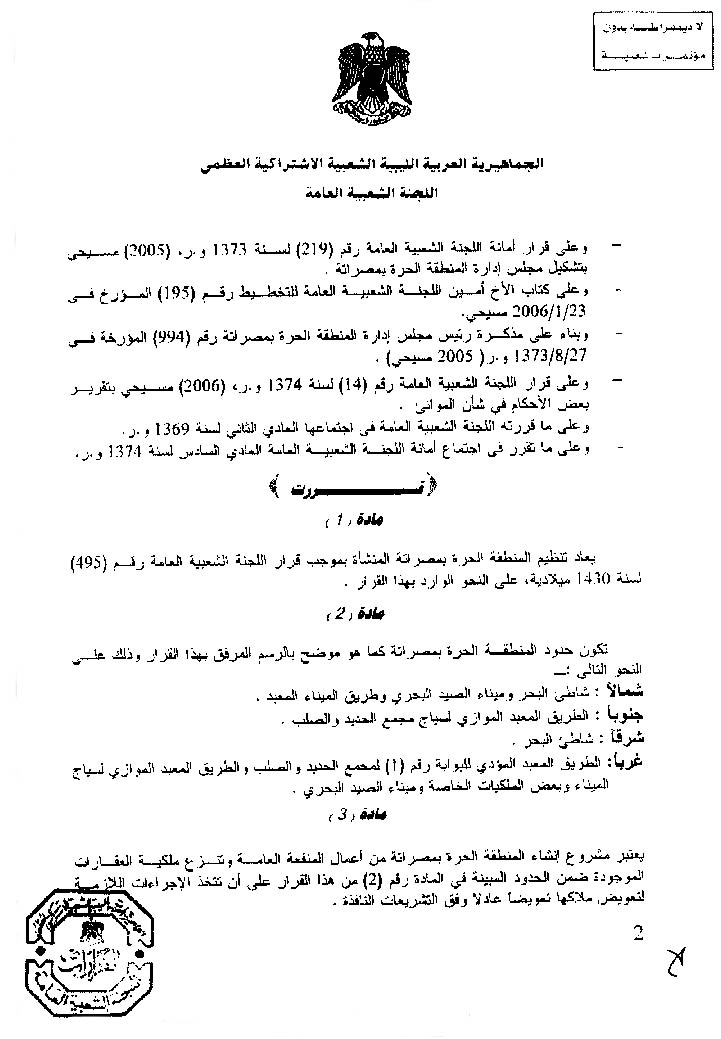
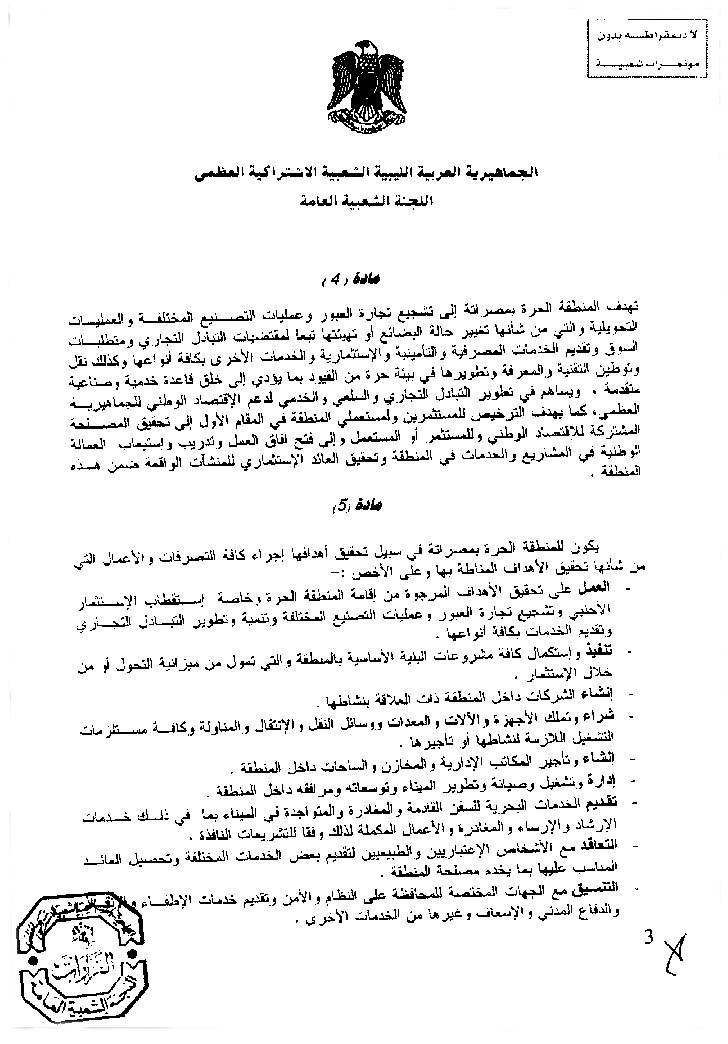
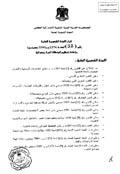
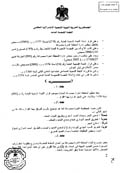
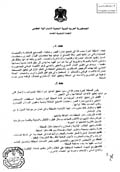
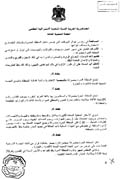
Arabic Copies of Law 32 of year 2006
To view larger images of Law 32 of year 2006,
please click on the following thumbnails:
|
|
| |
Investment Incentives
Investment In Libya's FTZs
The Libyan Foreign Investment Board was established to facilitate implementation
of foreign investment procedures, like overseeing the application process and
issuing the required licenses for investment projects. Libya produces 1.74
million barrels of oil a day (as of 2010), of which about 1.5 million are exported.
This production is projected to reach about 3 million barrels per day by 2012.
Giving the fact that Libya's oil (and others') will certainly run
out some time in the near future, the Libyan government is looking into other
venues of income such international investment and tourism. Libya has set
up a sovereign wealth fund to benefit future generations, with the aim of sharing
some of the oil revenues with the poor people of Libya.
Owing to recent developments, Libya has witnessed an increased interest of
foreign investors in 2007. Several investment projects,
worth more than 35 billion US dollars, have been announced, and more than $100
billion has
been set aside to buy foreign assets around the world - probably the "frozen
funds" of 2011. In Libya itself, the government is planning to spend $155
billion on local projects, like housing, education and communications - sectors
certainly that will attract foreign contractors. Long term plans will include
investing in funds managed by western banks, land, and companies that can train
and provide jobs for local young people. However, key challenges must be addressed
before Libya can achieve these objectives, like upgrading its infrastructure,
developing its financial sector, introduction of "liberalism", road
safety, and improving its business and tourism policies.
Three of the largest contracts have been signed by Dubai, Dutch and Italian
companies. Emaar Properties has recently signed the Memorandum of Understanding
(MoU) to develop the Zwara-Abu Kemmash Free Trade Zone. The Dutch company
Ladorado has signed a $1.2 billion deal to build 10 tourist complexes by 2012
at Tobruk; and Italy's Gruppo Norman will build the $268 million resort at
Farwa Island, near the Tunisian border. The Libyan Authority for Tourist Development
(TDA) have also signed a deal with the French Agency for tourist, observation,
development and engineering (ODIT) to develop tourist zones in the coastal
regions of Tobrouk and Sabratha.
One of the major changes announced recently is that Libya will open the capital
of more than fifty state-owned companies to foreign investors, each valued
at a minimum of 150 million dollars. Foreign investors will be allowed to acquire
holdings in the larger companies, while small and medium firms will be offered
to Libyan investors. Foreign investors are authorised, under law (5) and amended
by law (7) of year 2003, to invest in industry, health, tourism, agriculture,
technology, training, construction and oil related services (except drilling
and exploration). Telecommunications and finance currently remain the monopoly
of the Libyan government.
Objectives, Incentives & Sectors of Investments In The Free Zones
Objectives
- To improve and benefit the national economy
- To create a competitive investment environment
- To create jobs for the local people
Incentives For Investors
- Health insurance.
- Low energy prices
- Liberal and relaxed social laws.
- Ownership of land and property.
- Project ownership transfer between investors.
- Exemption from custom duties and taxation.
- Exemption from tax on earnings only if reinvested
- Free repatriation of invested capital and earned profits
- Exemption from registration in the trade or industrial registers.
- Guarantees against nationalisation, dispossession and confiscation.
- Free movement of capital and products between the FTZ and foreign countries
- International seaports and airports and land transport services to African countries.
Sectors of Investment
- Technology
- Commerce
- Construction
- Import & Export
- Tourism & Leisure
- Services & Transport
- Banking & Insurance
- Manufacturing and industrial processes
- Unpacking, cleaning and packaging of goods
- Transit Trade & storage of transit and domestic goods
Forms of Legal Foreign Investment in Libya
- Investment in the Free Trade Zones and Transit Trade.
- Investment in oil & gas exploration and production and construction.
- Investment in the fields of Tourism, Industry, Agriculture, Health
and Services.
- Establishment of Joint Companies under the Commercial Law and Law (65)
(1970).
The Main Options Available to Foreign Investors
- Establish a representational office in Libya (via a local agent).
- Set up a branch in Libya (the request to open a branch must be addressed
to the Department of Business Registration at the Ministry of Economy & Trade).
- Establish a joint venture with a Libyan company (which must be at least
51 % Libyan-owned).
Services Available For Investors & Developers
Several projects will be built in and around the free zones to provide all
the services and facilities needed to enable the zones to perform independently
of other areas, including various residential, educational, leisure and entertainment
components, law courts, ports, airports, and banks, which will provide tax
exemptions and offshore banking. However, the current services already available
include:
- Zuwarah Seaport (Zwara Marina).
- Zuwarah Airport.
- Banks.
- Transport (private and public transport, taxis, buses, coaches), and a
plan to build a railway line.
- Tour operators and travel agents.
- Hotels, with several new hotels under construction.
- Shops, cafes, restaurants, local markets.
- Office and car rental services.
- Law court and lawyers.
- Hospital.
- Schools and a university.
- Estate agents providing land and property for sale and rent.
- Several clean beaches: the best in Libya.
- Farms and fertile fields are also available for rent or sale for developers
who want to produce their own food.
- Translators (there are several
languages spoken in the area including English, French, Italian, German,
Japanese, Spanish, Greek and Russian).
|
|
| |
Resources
Libyan Central Bank
P.O.Box 1103
Tripoli, Libya
Tel: (+218) (21) 3333591 , 3333599
Fax: (+218) (21) 4441488
English Web site of the Libyan Central Bank: http://www.cbl.gov.ly/en/.
Arabic Web site of the Libyan Central Bank: http://www.cbl-ly.com
General Union of Chambers of Commerce, Industry
&
Agriculture
P.O.Box 12556
26 Bandong Street
Tripoli, Libya
Tel: (+218) (21) 4441457/8 , 4441613 , 3332655
Fax: (+218) (21) 4443055 , 3340155
World Trade Centre Tripoli
Tripoli Tower
18th Floor, Flat 186-189
Tripoli, Libya
Tel: (+218) (21) 3351326
Fax: (+218) (21) 3351323
The Libyan Businessmen Council
The Libyan Businessmen Council deals with all the affairs regarding Libyan
and foreign businessmen.
Contact: http://www.lybc.org/
Tel: (+218) (21) 3350213 / 3350214
Fax: (+218) (21) 3350374 / 21 3350439
|
|
|
| |